General & Laparoscopic Surgery
General surgery is a broad surgical specialty that deals with a wide range of common surgical conditions affecting various parts of the body, especially the abdomen, digestive tract, breast, thyroid, skin, and soft tissues.
General & Laparoscopic Surgery Details:
General Surgery is a medical specialty that focuses on diagnosing, managing, and surgically treating a wide range of diseases, injuries, and conditions affecting the abdominal organs, soft tissues, and other parts of the body. It is one of the broadest surgical fields and covers various procedures related to the gastrointestinal tract, liver, pancreas, gallbladder, thyroid, breast, skin, and hernias.
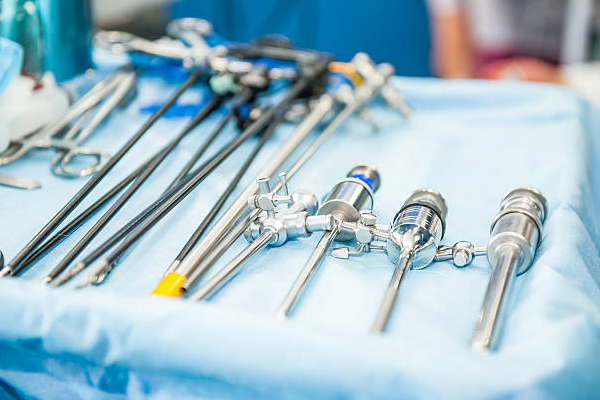
Laparoscopic Surgery, also known as minimally invasive surgery, is an advanced surgical technique where operations are performed through small incisions (usually 0.5–1.5 cm) using a laparoscope (a thin tube with a camera and light) and specialized surgical instruments.
General & Laparoscopic Surgery provides comprehensive solutions for a wide range of surgical needs, combining traditional methods with advanced minimally invasive techniques to ensure safer, faster, and more efficient patient care
1. Common Conditions Treated:
- Appendicitis
- Hernia (inguinal, umbilical, incisional)
- Gallbladder diseases (cholelithiasis, cholecystitis)
- Hemorrhoid
- Thyroid disorders (goiter, nodules)
- Abdominal tumors
- Skin and soft tissue infections, abscesses
- Trauma and injuries
- Gastrointestinal bleeding
2. Typical General Surgery Procedures:
- Appendectomy (removal of the appendix)
- Hernia repair surgery
- Cholecystectomy (removal of the gallbladder)
- Thyroidectomy (removal of the thyroid gland or part of it)
- Mastectomy (for breast cancer)
- Excision of lumps, lipomas, cysts
- Treatment of abscesses
Laparoscopic Surgery Treatment Overview:
Laparoscopic surgery, also called minimally invasive surgery, is a modern surgical technique where operations are performed through small incisions using a camera (laparoscope) and specialized instruments.
1. Advantages of Laparoscopic Surgery:
- Minimal scarring
- Faster recovery time
- Less post-operative pain
- Shorter hospital stay
- Reduced infection risk
Common Laparoscopic Procedures:
1. Laparoscopic Cholecystectomy:
- Removal of the gallbladder, commonly for gallstones or cholecystitis.
2. Laparoscopic Appendectomy:
- Removal of the appendix for acute appendicitis.
3. Laparoscopic Hernia Repair:
- Minimally invasive repair of inguinal, femoral, umbilical, or incisional hernias.
4. Laparoscopic Fundoplication:
- Surgical treatment of gastroesophageal reflux disease (GERD).
5. Laparoscopic Colectomy:
- Removal of part of the colon for diseases like colon cancer or diverticulitis.
6. Laparoscopic Sleeve Gastrectomy / Gastric Bypass:
- Bariatric surgery to aid in weight loss.
7. Diagnostic Laparoscopy:
- Used for diagnosing abdominal or pelvic conditions.
Postoperative Care & Recovery:
- Typically quicker for laparoscopic surgery compared to open surgery.
- Early ambulation recommended.
- Mild pain manageable with analgesics.
- Gradual return to regular diet and activity.
- Follow-up for wound healing and to monitor complications (if any)
General & Laparoscopic Surgery Unit Service
- Monday - Saturday 10 am - 4 pm
- Sunday Closed