Nephrology
Nephrology is the branch of medicine that deals with the study, diagnosis, and treatment of kidney-related diseases. It focuses on how the kidneys function, how to maintain their health, and how to manage disorders that impair their performance.
Nephrology
- Filtering waste products from blood
- Balancing fluids and electrolytes
- Regulating blood pressure
- Producing hormones (e.g., erythropoietin for red blood cell production, renin for BP control)
- Maintaining bone health via vitamin D metabolism
1. Common Conditions in Nephrology:
- Chronic Kidney Disease (CKD)
- Acute Kidney Injury (AKI)
- Glomerulonephritis
- Nephrotic and Nephritic Syndromes
- Kidney Stones (Nephrolithiasis)
- Polycystic Kidney Disease (PKD)
- Hypertension related to kidney dysfunction
- End-Stage Renal Disease (ESRD) requiring dialysis or transplantation
Diagnostic Methods:
- Blood tests (creatinine, urea, electrolytes)
- Urine tests (proteinuria, hematuria)
- Imaging (Ultrasound, CT, MRI of kidneys)
- Renal biopsy
Treatments:
- Lifestyle and dietary modification (low salt, fluid management, protein control)
- Medications (antihypertensives, diuretics, immunosuppressants)
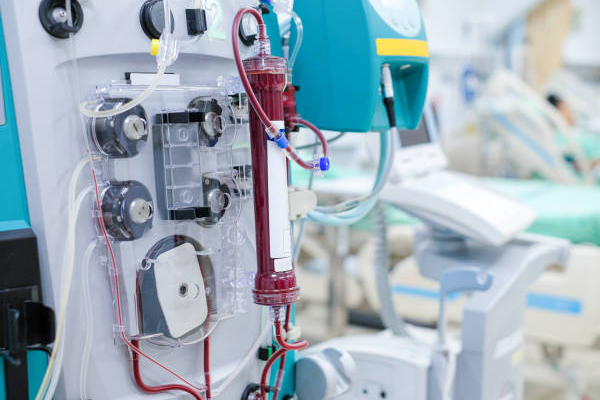
- Dialysis (Hemodialysis, Peritoneal dialysis) for advanced kidney failure
- Kidney Transplant in eligible patients
In short: Nephrology is vital for managing kidney diseases, preventing progression to kidney failure, and improving patients’ quality of life
When to See a Nephrologist?
You may be referred to a nephrologist if you have signs of kidney problems, such as foamy urine, or if you have conditions like diabetes and high blood pressure that increase your risk of kidney disease.
Medications:
Doctors may prescribe drugs like ACE inhibitors or SGLT2 inhibitors to slow the progression of kidney disease. Other medications manage symptoms such as high blood pressure, swelling, or anemia.
Nephrology treatments address kidney diseases and can involve medications, lifestyle and dietary changes, and advanced therapies like dialysis or kidney transplantation. Treatment is individualized based on the kidney disease's stage and underlying causes, aiming to slow progression, manage symptoms, and maintain quality of life.